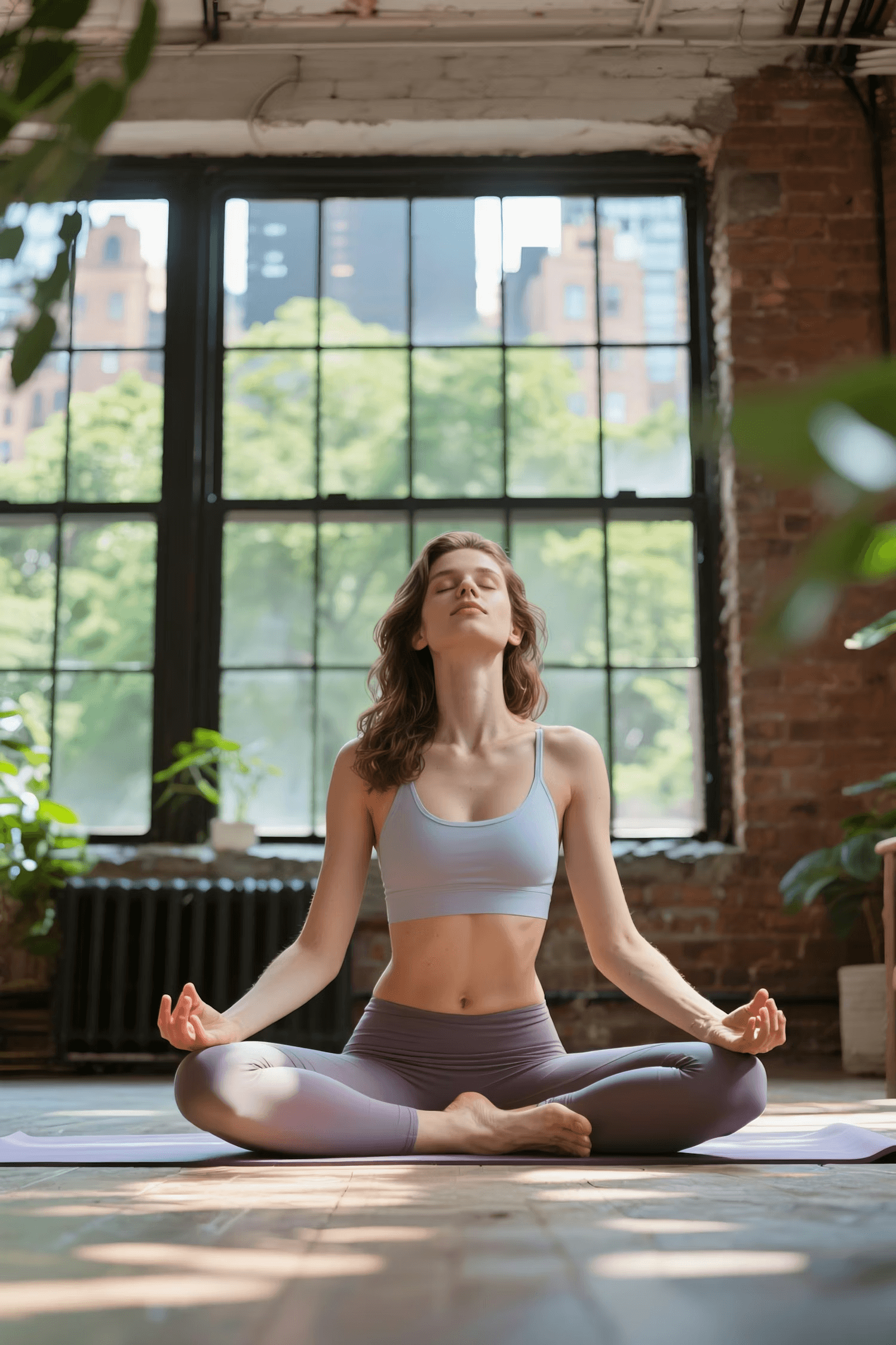
The Importance of Slowing Down in a Fast-Paced World

In today’s world, many people feel pressure to constantly stay productive, available, and busy. Over time, this fast-paced lifestyle can lead to stress, emotional exhaustion, and feeling disconnected from yourself. Slowing down is not about doing less — it’s about creating space to breathe, reflect, and care for your mental well-being.
Why We Feel Constantly Overwhelmed
Modern life often keeps our minds active all day long. Notifications, responsibilities, work demands, and social pressure can make it difficult to truly rest. When the nervous system stays in “survival mode” for too long, even small tasks can start to feel overwhelming.
Common signs include:
Difficulty relaxing
Constant mental fatigue
Trouble focusing
Feeling emotionally drained
Increased anxiety or irritability
The Benefits of Slowing Down
Taking intentional pauses throughout the day can help your mind and body recover. Slowing down supports:
Better emotional balance
Reduced stress levels
Improved sleep and focus
Greater self-awareness
A stronger connection to the present moment
Even a few quiet moments can create a meaningful shift in how you feel.
Simple Ways to Slow Down
You don’t need to completely change your lifestyle overnight. Start with small, gentle habits
Take mindful breaks
Pause between tasks instead of rushing from one thing to another.
Spend time away from screens
Give your mind a break from constant information and stimulation.
Practice deep breathing
Slow breathing helps calm the nervous system and reduce tension.
Move your body gently
Yoga, stretching, or walking can help release stress and reconnect you with your body.
Allow yourself to rest
Rest is not laziness — it is an important part of emotional and physical wellness.
Final Thought
You do not need to earn rest by becoming exhausted first. Slowing down can help you feel calmer, clearer, and more connected to yourself. Healing and growth often begin in the quiet moments we allow ourselves to simply pause and breathe.