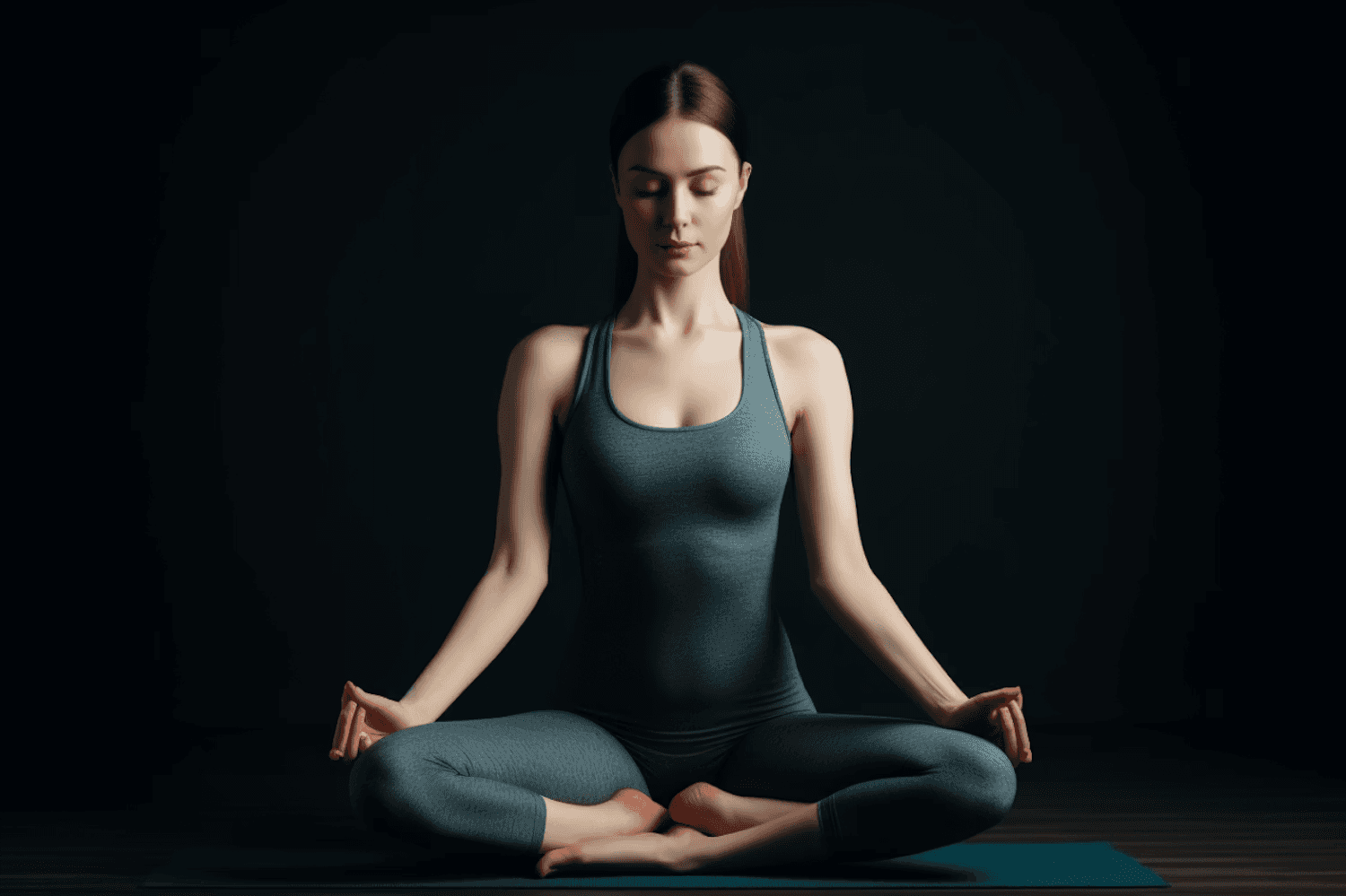
Building a Wellness Routine That Actually Sticks

Blog Thumbnail

Many people try to improve their mental health by creating routines, but often those routines don’t last. The key is not doing more—it’s doing what is realistic and sustainable.

Start Small

Instead of making big changes, focus on one or two habits. For example:

  • 5 minutes of breathing

  • A short daily walk

  • Writing a few thoughts in a journal

Small steps are easier to maintain and build consistency over time.

Be Flexible

A routine should support your life—not control it. It’s okay to adjust based on your energy, schedule, and needs.

Focus on Consistency, Not Perfection

Missing a day doesn’t mean failure. What matters is returning to your routine without self-judgment.

Choose What Feels Good

Your routine should feel supportive, not forced.

Ask yourself:
“What helps me feel calmer or more balanced?”

Then build around that.

Create Gentle Structure

Try grouping habits together:

  • Morning: breathing + intention

  • Afternoon: short break

  • Evening: reflection or journaling

This creates rhythm without pressure.

Final Thought

A good wellness routine is simple, flexible, and kind to you. Over time, these small habits can create a meaningful shift in how you feel every day.

Related Articles

Blog Thumbnail

How to Tell the Difference Between Stress and Burnout

Stress and burnout are often used interchangeably, but they are not the same. Understanding the difference can help you respond in a healthier, more effective way before things feel overwhelming.

What is Stress?

Stress is usually short-term and connected to specific situations. It can come from work deadlines, personal responsibilities, or unexpected challenges. While stress can feel intense, it often motivates you to take action and solve problems.

Common signs of stress include:

  • Feeling overwhelmed but still engaged

  • Racing thoughts

  • Irritability or frustration

  • Physical tension or headaches

Stress typically improves once the situation changes or pressure is reduced.

What is Burnout?

Burnout is a deeper, long-term state of emotional, mental, and physical exhaustion. It happens when stress builds up over time without enough recovery.

Signs of burnout include:

  • Constant fatigue and low energy

  • Feeling disconnected or numb

  • Loss of motivation

  • Reduced performance or productivity

  • Cynicism or negative thinking

Unlike stress, burnout doesn’t go away quickly—it requires intentional rest and support.

Key Difference

  • Stress: “I have too much to handle.”

  • Burnout: “I don’t care anymore.”

What You Can Do

If you’re feeling stressed:

  • Take short breaks

  • Prioritize tasks

  • Practice breathing or grounding exercises

If you’re experiencing burnout:

  • Reduce workload if possible

  • Set boundaries

  • Seek professional support

  • Focus on rest and recovery

Recognizing where you are is the first step. With the right support and small changes, you can move back toward balance and clarity.

Create a free website with Framer, the website builder loved by startups, designers and agencies.